
Every Child Has a Unique Way of Learning
Every student has unique strengths, learning preferences, and goals. Some students need support to address learning differences, while others benefit from more individualized instruction that helps them build stronger skills, gain confidence, and reach their full potential.
Understanding how a student learns—not just what they are learning—is the first step toward providing meaningful support that creates lasting growth.
Understanding Learning Challenges
Learning Differences
Dyslexia, dysgraphia, dyscalculia, ADHD, and other learning differences can affect how students learn and demonstrate what they know.
Foundational Skills
Strong foundational skills provide the building blocks for future academic success.
Executive Functioning
Organization, planning, working memory, attention, and time management all play an important role in learning.
Processing & Language
Language, memory, processing speed, and visual-spatial skills influence how students understand, retain, and apply information.
Confidence in Learning
Repeated frustration can affect motivation, confidence, and a student’s willingness to take academic risks.
Looking Beyond the Symptoms
Parents often notice the symptoms first—homework taking hours, inconsistent test performance, forgotten assignments, or increasing frustration with school.
Those challenges can provide important clues, but they don’t always reveal the underlying reason a student is struggling. Looking beyond the surface helps identify the skills that may be affecting learning and creates a clearer understanding of where support can have the greatest impact.
Understanding Comes First
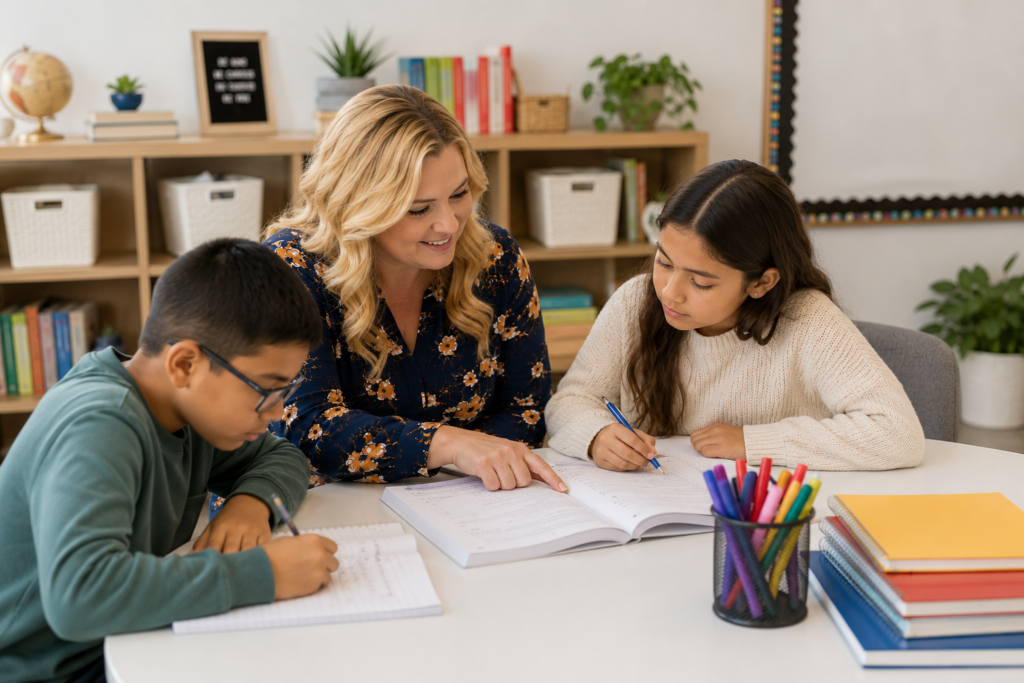
Once we understand how a student learns, we can make informed decisions about the type of instruction and support that will be most beneficial.
That understanding becomes the foundation for the personalized plan we develop for every student.